

"Democracy is the worst form of government. Except for all the others."
— Winston Churchill
Systems & Governance
When legal, democratic, rational processes systematically undermine the systems they're meant to protect.
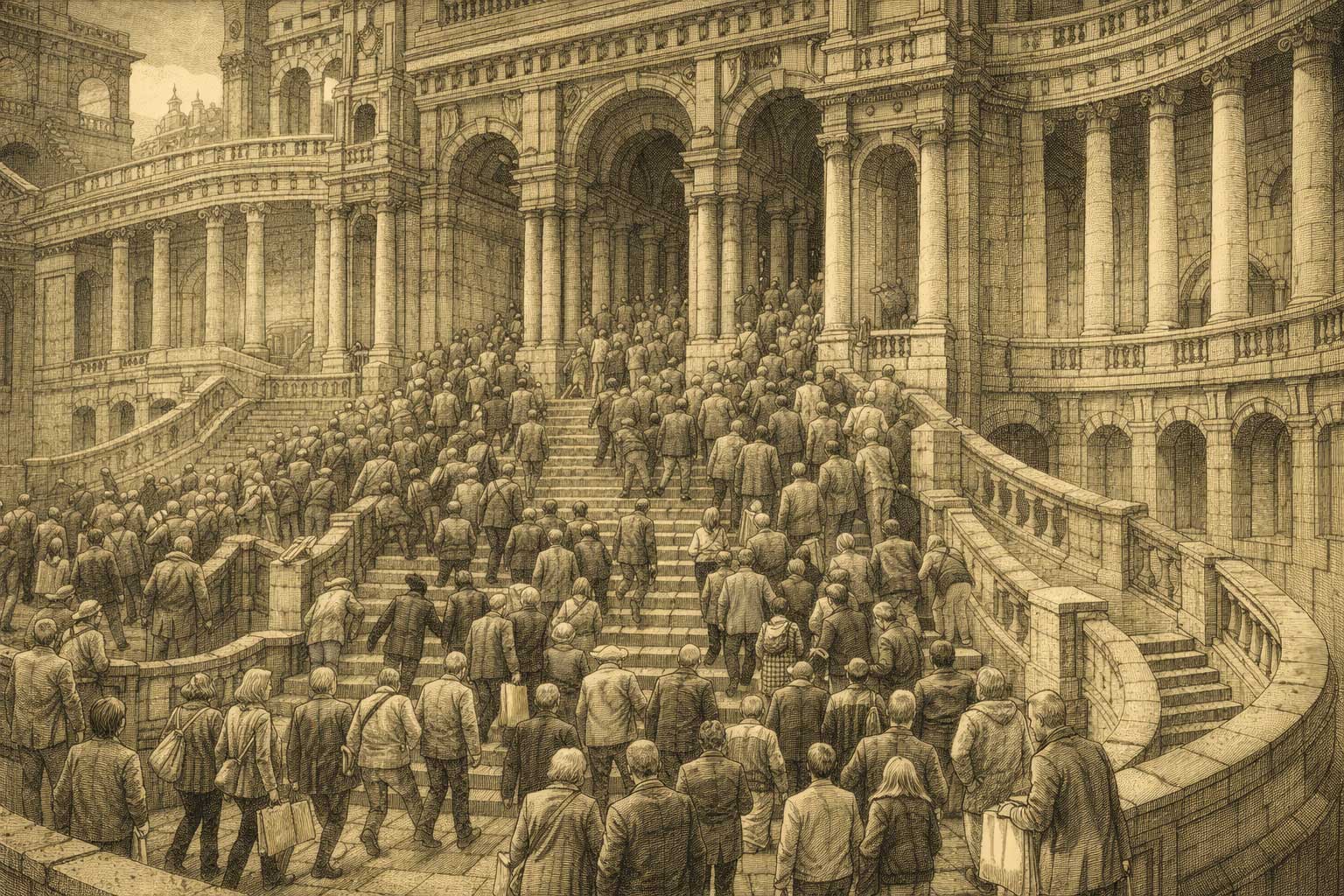
Democracy Erosion
The structure:
Democratic systems guarantee freedom of speech, assembly, and voting. Actors use these freedoms to campaign for their abolition. Voters, acting rationally within their information bubbles, elect representatives who dismantle democratic institutions—legally, democratically.
Why each actor is rational:
- Voters: Choose candidates who promise to solve their problems
- Politicians: Use legal tools to consolidate power
- Institutions: Follow established procedures, even when used against them
- Media: Maximize engagement (outrage works)
Why it fails collectively:
The system cannot defend itself without violating its own principles. Banning anti-democratic parties undermines democratic freedom. Allowing them risks the system's destruction.
The trap: Democracy's core strength (openness) becomes its vulnerability.
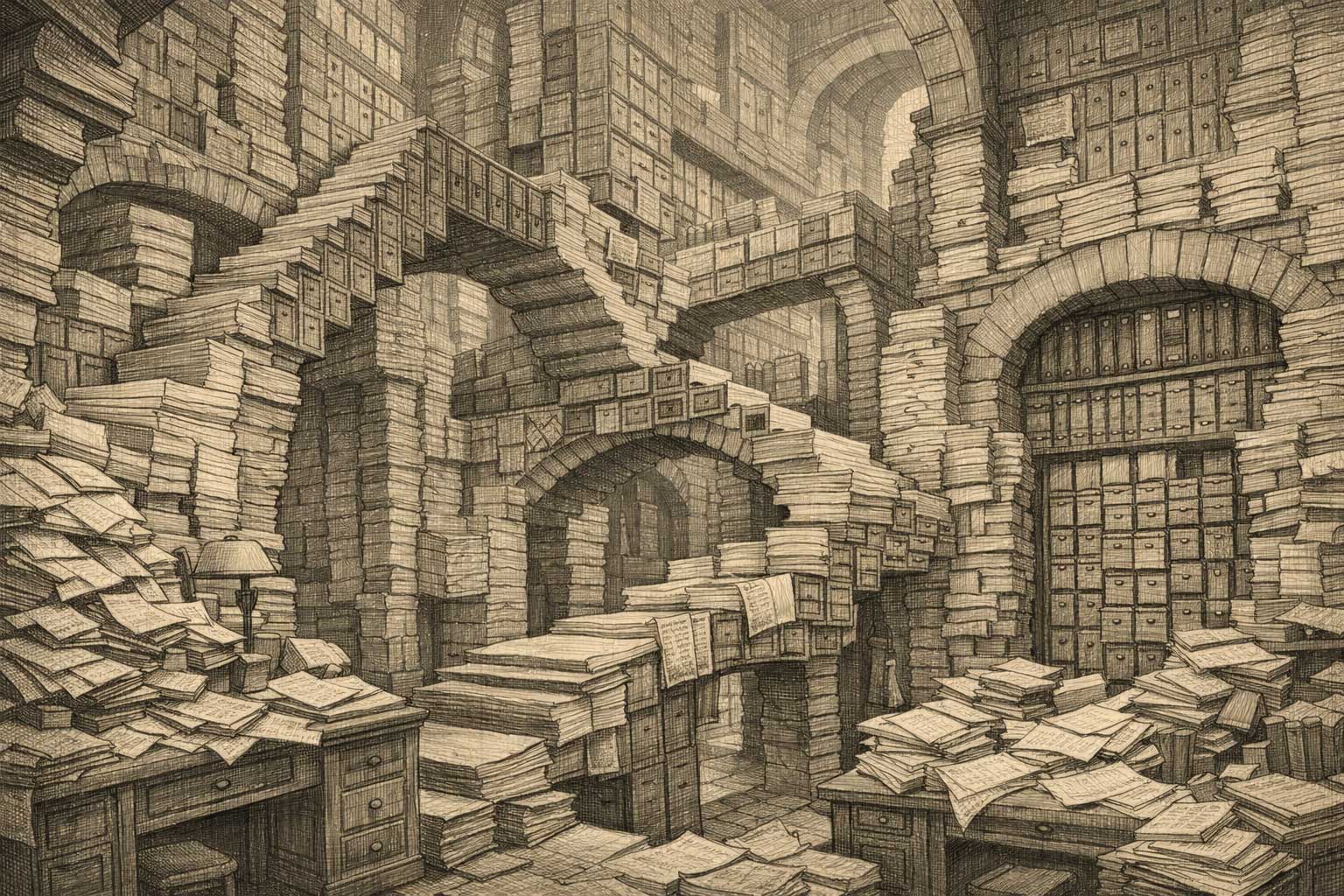
Fibrotizing Administrations
The structure:
Every failure triggers a new rule. Every scandal demands new compliance. Like medical fibrosis—functional tissue replaced by scar tissue—organizations harden with each crisis. The system protects itself by paralyzing itself.
Why each actor is rational:
- Public: Demands "this must never happen again"
- Politicians: Create rules to demonstrate action
- Administrators: Implement safeguards to prevent recurrence
- Legal departments: Add procedures to reduce liability
- Oversight bodies: Require documentation to ensure accountability
Why it fails collectively:
Each rule is individually sensible. Collectively, they create paralysis. The organization becomes too rigid to function, too slow to adapt, too burdened to innovate. Like fibrous tissue: the more you protect, the less you can move.
The trap: You cannot deregulate scar tissue. Once fibrotized, irreversible.
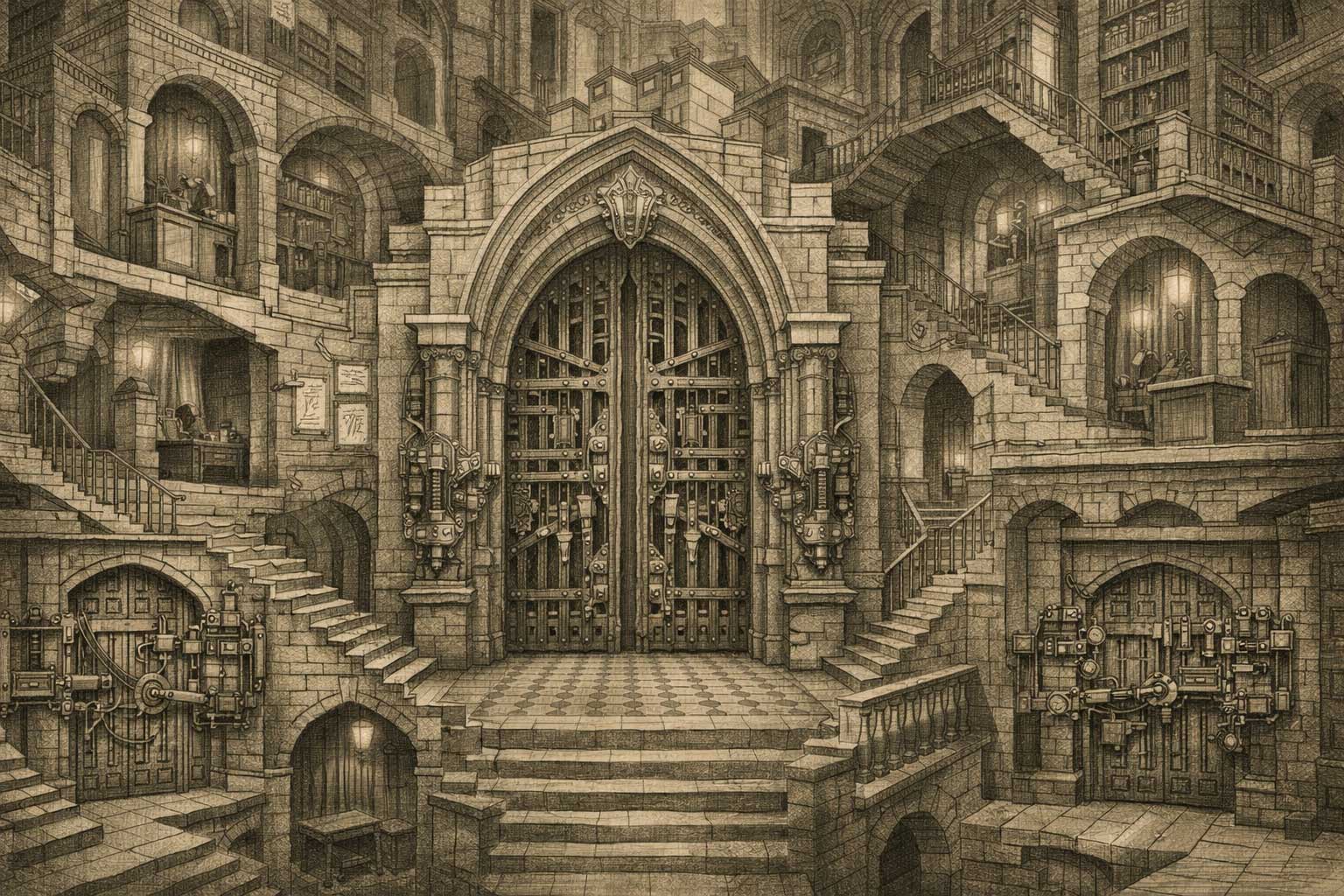
When Intelligence Becomes a Threat
The structure:
Someone demonstrates intelligence that a gatekeeper recognizes as equal or superior to their own. The gatekeeper cannot dismiss it as incompetent, cannot classify it within familiar categories (no credentials, no institutional backing). Recognition without classifation triggers territorial anxiety: "This could threaten my position." Rational response: Exclude, block, discredit. The more intelligent the challenger, the more threatening they appear. Intelligence produces its own marginalization.
Why each actor is rational:
- The Intelligent Outsider: Demonstrates their analysis (authentic expression of capability)
- The Gatekeeper: Recognizes quality (they ARE intelligent enough to see it)
- Cannot classify: No institutional markers (where does this precision come from?)
- Territorial defense: Protects position, authority, relevance (survival instinct)
- Exclusion: Blocks, dismisses, or attacks (rational self-protection)
Why it fails collectively:
The gatekeeper protects their position by excluding precisely the intelligence that would enrich the discourse. The system optmizes for stability over insight. Brilliant outsiders remain outside. Mediocre insiders remain inside. The field stagnates while each actor acts rationally.
The trap: The more intelligent you are, the more threatening you appear. The more threatening, the stronger the defense. Your capability produces your exclusion. Staying mediocre would have been functional.
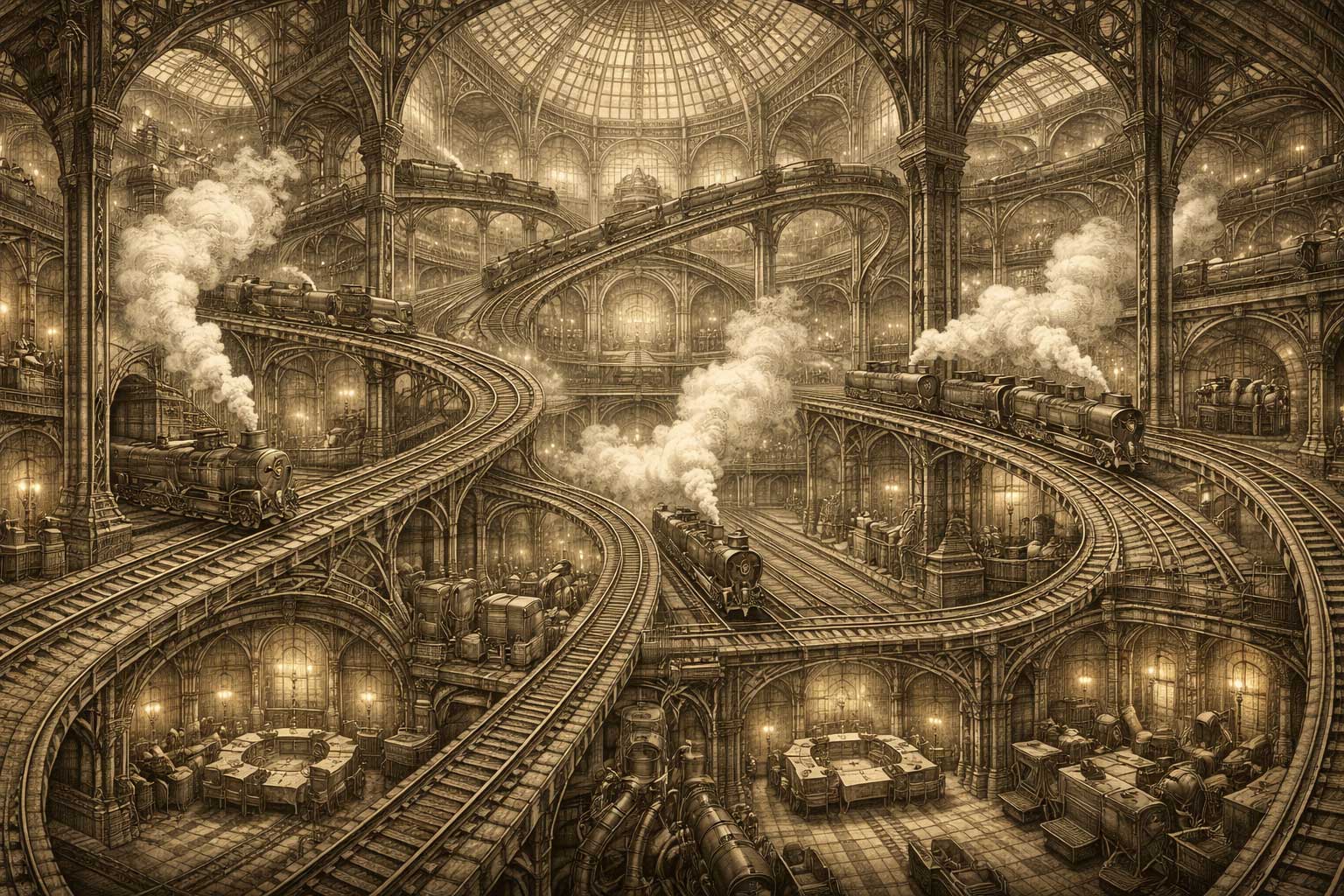
Climate Summits
The structure:
Nations gather to negotiate climate action. Delegates fly from around the world, generating CO₂. Hotels, conference centers, motorcades—all emissions-intensive. The act of coordinating climate policy creates the problem it's meant to solve.
Why each actor is rational:
- Countries: Must participate to influence agreements
- Delegates: Need to attend in person (serious negotiations require presence)
- Host cities: Compete to host (prestige, economic benefit)
- Airlines/hotels: Provide necessary services
Why it fails collectively:
The more urgent the crisis, the more summits. The more summits, the more emissions. The infrastructure of coordination contributes to the problem.
The trap: The solution process reinforces the problem.
Regulatory Capture
The structure:
Regulators need expertise to oversee complex industries. Industry experts have that expertise. Regulators hire from industry or consult industry specialists. Over time, regulators adopt industry perspectives, priorities, and blind spots.
Why each actor is rational:
- Regulators: Need technical knowledge they don't have
- Industry experts: Apply their genuine expertise
- Companies: Prefer informed regulation over uninformed chaos
- Public: Wants competent oversight
Why it fails collectively:
Those with the knowledge to regulate have incentives not to regulate effectively. Those without conflicts of interest lack expertise. The system optimizes for informed regulation—and gets captured regulation.
The trap: Competence requires proximity. Proximity creates alignment.
"Just Fund It"
Throw money at the problem. More resources, better outcomes.
The Pattern
More funding solves structural problems. Invest resources, close gaps, restore function. Standard logic. Rational approach.
Except it doesn't work that way.
Resources don't fill structural gaps — they expand the structure around them. More money creates more claims, more dependencies, more constituencies, more expectations. The original problem persists or worsens. The structure grows. Next funding round becomes necessary. Then inevitable. Then desperate.
This isn't corruption or incompetence. It's structural dynamics. The mechanism operates regardless of intent.
The Mechanism
Phase 1: Problem Identification Gap detected. Need established. Resources allocated. Purpose defined. Boundaries set. Initial success visible.
Phase 2: Structural Expansion Resources attract claims. Each department rational in securing share. Each project rational in expanding scope. Each stakeholder rational in protecting position. Collectively: mission creep, budget bloat, purpose drift.
Phase 3: Gap Persistence Original problem unfilled. Resources consumed by expanded structure. New gaps emerge from expansion. Legitimacy crisis develops.
Phase 4: Acceleration More funding to restore legitimacy. Faster expansion. Wider gap between rhetoric and delivery. Trust erosion. Democratic decay. Until something breaks.
The brutal arithmetic: Every euro allocated generates three euros of future claims. Every program creates constituencies demanding expansion. Every temporary measure becomes permanent infrastructure. Not sometimes. Structurally.
Examples Across Domains
Defense: The Sondervermögen
Germany creates €100 billion special fund for military modernization, 2022. Purpose: close capability gaps, restore readiness, meet NATO commitments.
Year 1: Fund exists. Priorities identified. Procurement begins.
Year 2: Coalition partners need projects. Climate commitments need funding. Infrastructure gaps need filling. Each claim individually rational — national interest, coalition stability, economic recovery. Fund becomes general budget overflow.
Year 3: Defense gaps persist. New procurement needed. Original €100B absorbed. Where's the military capability? Where's the readiness? Next special fund required.
The funding didn't fail to solve the problem. The funding became the mechanism perpetuating it.
Example: Sovereign Debt Trap State borrows to solve crisis. Creditors want repayment. Debtor must stay creditworthy. Requires more borrowing. Exit impossible without creditor losses. Neither side can stop. The funding meant to solve the problem becomes the problem.
The institutional layer: IMF exists to lend. World Bank exists to fund development. Commercial banks exist to issue credit. If they stop lending, what justifies their existence? Their budgets? Their staff? Their power? Debtor must borrow. Creditor must lend. Both structurally locked in.
The Immortality Paradox
The structure:
Finite collective memory. Infinite candidates for immortality. Politicians compete for historical relevance—consciously (monuments, memoirs, "how will history judge me?") or unconsciously (legacy projects, named institutions). Zero-sum game: If you're remembered, someone else is forgotten. Most will be forgotten—structurally inevitable. But no one can stop competing without giving up entirely.
Why each actor is rational:
- Politicians: Seek legacy (why else endure the brutality of politics?)
- Media: Cover those who compete loudest (that's the spectacle)
- Historians: Write about consequential figures (limited book space)
- Public: Remembers simplified narratives (complexity doesn't scale)
- Rivals: Compete for the same spots (survival instinct)
- Autocrats: Prefer infamy over obscurity (Putin, Erdogan—better feared than forgotten)
Why it fails collectively:
Everyone competes. Most lose. The ones who want it too obviously (Trump—name on every building) become parodies. The ones who are subtle might stay invisible. The ones who don't compete get erased. History has limited chapters. Unlimited applicants. The competition is permanent. The outcome is predetermined for most: oblivion.
The trap: You must compete to matter. Competing makes you one of millions. Immortality through non-striving. Irrelevance through striving. Everyone plays. Almost everyone loses.
More examples in this category coming soon.